
2020-2028
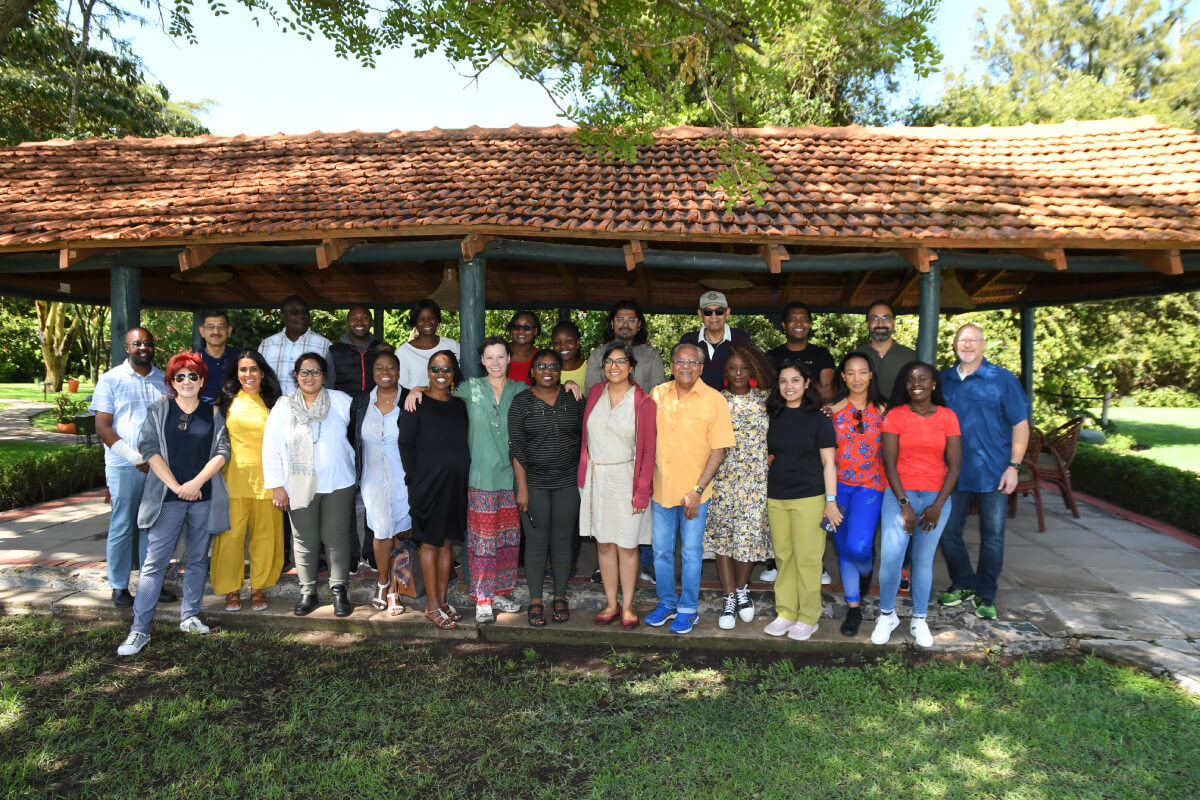
The Brain and Mind Institute (BMI) was established in 2020 to advance brain health in low-resource settings in Africa and Asia. Operating across the Aga Khan University’s multi-country campuses, the BMI connects academic entities, facilitates interdisciplinary research and develops clinical and educational programming. Key research areas include depression and suicide; substance use and family violence; and dementia and Alzheimer’s. Through collaborative research, education, and innovation in mental health and neuroscience, the BMI aims to make a significant impact in these regions.
We have committed $8.4 million to support BMI’s infrastructure, research initiatives and programming. This gift will enhance BMI’s capacity and leadership role in neuroscience research and well-being, particularly in key hubs in Kenya and Pakistan.
Early philanthropic support from Waverley House was instrumental in establishing the BMI and attracting external grants and future investments. Under the leadership of its Founding Director, Zul Merali, the BMI is supporting researchers and clinicians to promote mental well-being; reduce stigma around mental health; identify mental health issues early; and develop effective, culturally sensitive interventions. BMI is poised to make significant contributions to brain health and mental well-being in underserved regions of Africa and Asia.
“We are profoundly grateful for your trust and support in this vital endeavor to address the gaps in developing countries. Rest assured, your investment will have a lasting impact on neuroscience research and mental well-being in various low- and middle-income countries across Africa and South and Central Asia.” - Zul Merali, Founding Director, BMI
2018-Present
The Discovery Fund at CAMH accelerates groundbreaking discoveries and supports high-risk, high-reward research in mental health. It focuses on nurturing the next generation of scientific leaders, understanding mental illness causes and cures, and improving outcomes for those affected by mental illness.
In 2018, we made a landmark $100-million philanthropic gift to establish the Discovery Fund at CAMH. This gift has been transformative for mental health research in Canada.
The gift and creation of the Fund was hailed as a game-changer for mental health in Canada; the program has been a success to date—kickstarting the careers of young scientists and providing critical seed funding for high-impact research projects—with expected investment in research to hit $50 million by March 2024. CAMH has developed a 10-year roadmap to expand their programming, including securing ongoing funding.
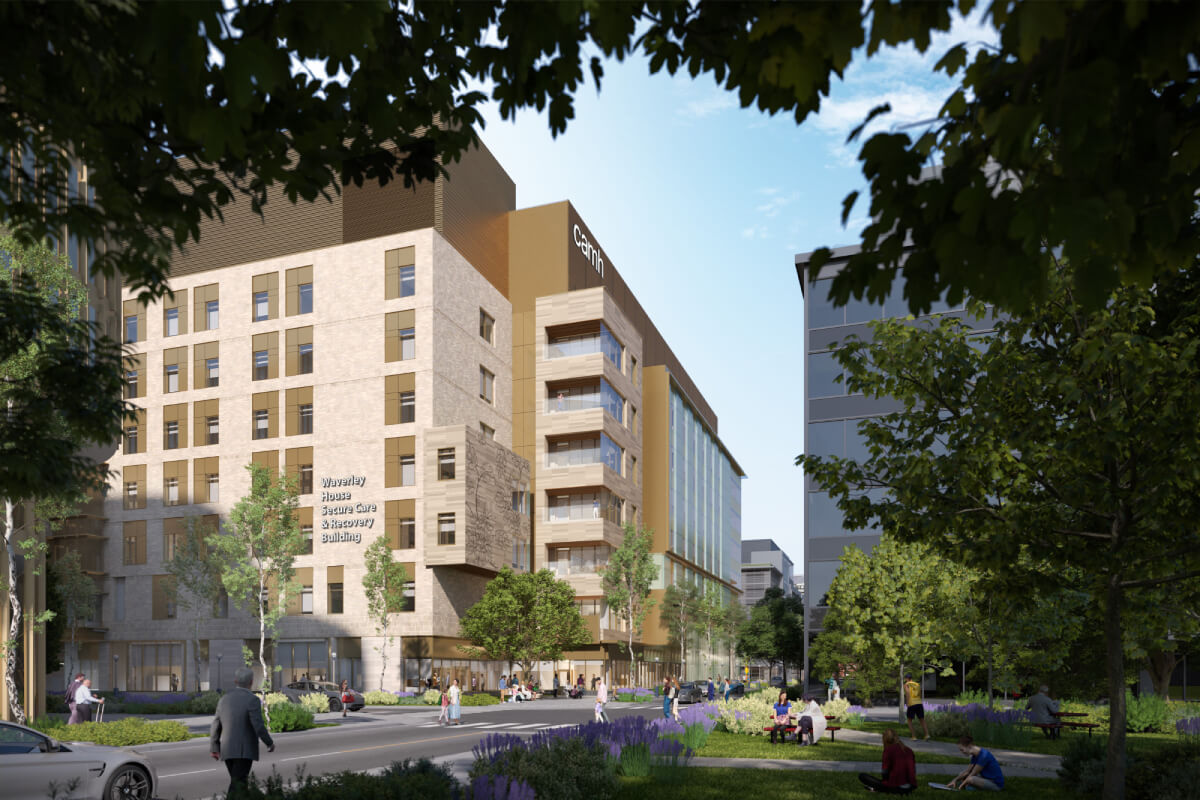
The Temerty Discovery Centre is part of CAMH’s historic redevelopment of their Queen Street site in Toronto, Ontario. This state-of-the-art facility, alongside the new Waverley House Secure Care & Recovery Building, will set new standards for mental health research in care, promoting collaboration and innovation, providing hopeful spaces for recovery and transforming societal attitudes toward mental health.
Our $100-million gift is transforming CAMH’s campus, including construction of the Temerty Discovery Centre and the Waverley House Secure Care & Recovery Building. This investment is accelerating groundbreaking research, while supporting patients with mental illness who have encountered the law and fostering a dignified recovery environment.
The investment in infrastructure has set a new benchmark for funding mental health initiatives in Canada. As a result, CAMH researchers will have the space, tools and technologies needed to solve the most complex challenges in mental health, while forensic patients will have access to new and expanded programming that supports recovery. These buildings serve as symbols of hope for the future of mental health.
The Forensic Psychiatry Endowed Chair helps CAMH address the most complex challenges in the field of forensic mental health by supporting scientific leadership and research excellence. The Chair is housed at CAMH and is cross appointed at the University of Toronto.
Our $3-million gift, along with a $600 thousand dollar contribution from the University of Toronto's Department of Psychiatry, ensures the Chair is uniquely positioned to advance high-impact research in forensic mental health and support recovery for this patient population.
The creation of the Chair is a critical investment in a historically underfunded, understudied and misunderstood area of mental health. The Chair continues to forge new partnerships across the mental health system, advance research and contribute to best practices to improve care and outcomes for this marginalized patient population.
2023-2026
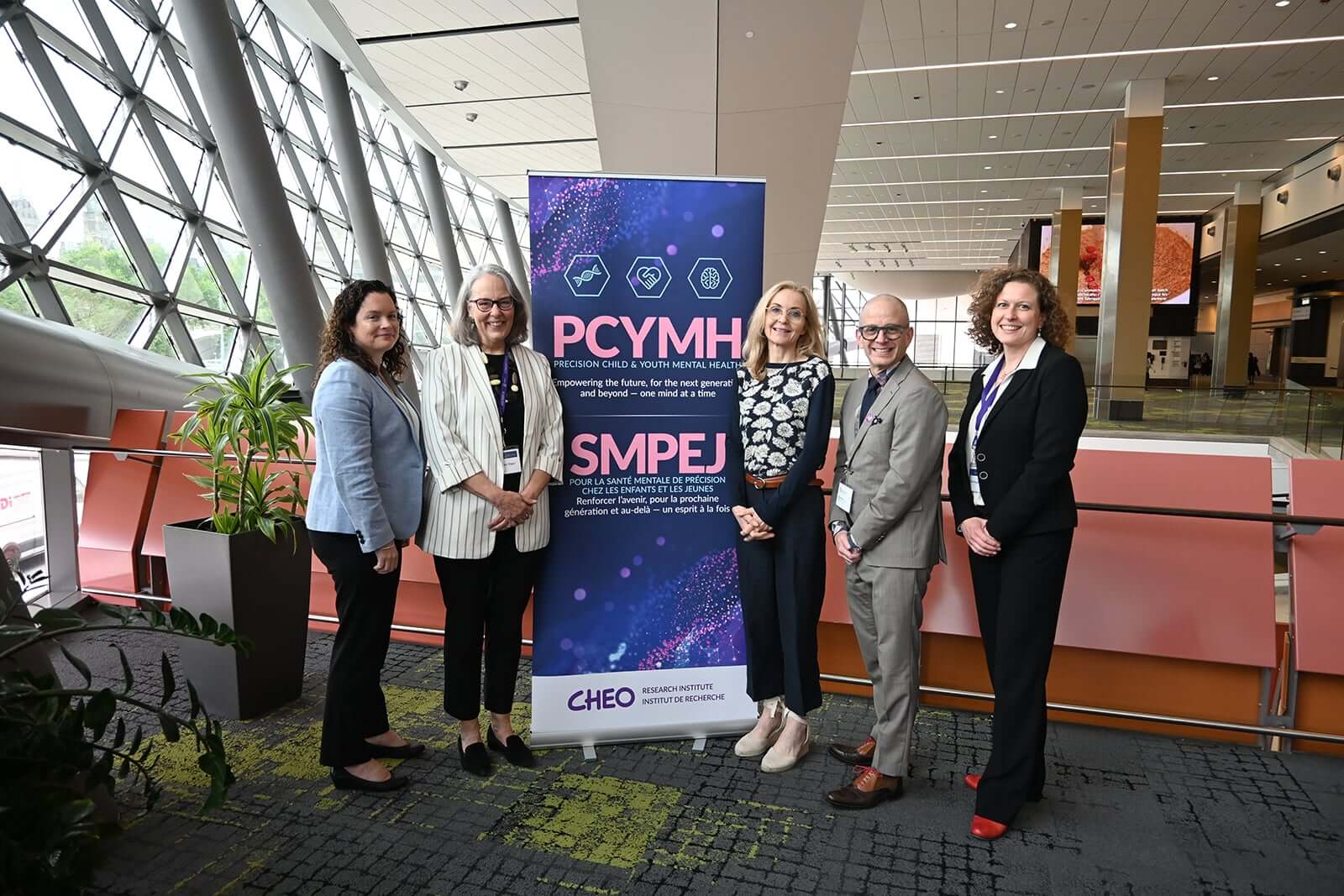
The Children’s Hospital of Eastern Ontario (CHEO) and The Hospital for Sick Children (SickKids) are partnering to co-create a population-based precision child and youth mental health system with the goal of scaling it across the province. They aim to grow mental wellness in the next generation by delivering precision mental health for children, youth and families.
Using comprehensive information about the individual ranging from the genetic code to the postal code, the Precision Child and Youth Mental Health (PCYMH) will more precisely improve both mental and physical health outcomes for children, youth and families. The program has three areas of focus: Data Capacity Building (to inform better care and research), Talent (to transform clinical care by embedding PCYMH at the front lines of healthcare delivery), and Breakthroughs (to catalyze innovative research).
We have committed $35 million ($17.5 million to each hospital) to fund PCYMH, as part of the broader Precision Child and Youth Health movement in Canadian healthcare.
Early outcomes of our gift include: artificial intelligence infrastructure is knitting together data to diagnose Autism Spectrum Disorder (ASD); biomarkers are being identified that are linked to eating disorders; and clinical tools are being developed that predict mental health outcomes following childhood stroke. The gift is also being leveraged for research grants and other important funding for precision child and youth mental health work.
2017-2025
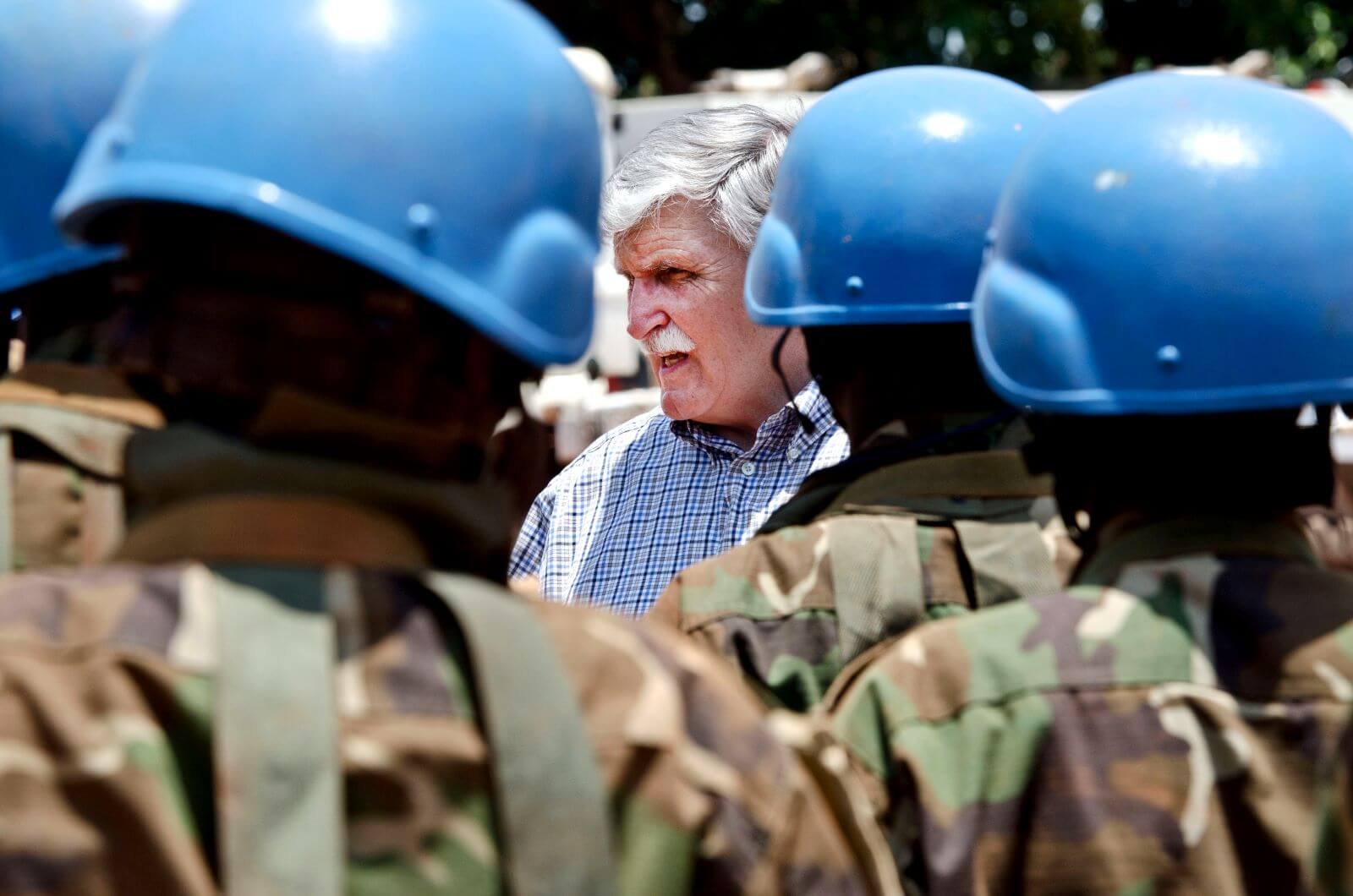
The Dallaire Institute for Children, Peace and Security was established in 2007 by General Roméo Dallaire, Force Commander of the UN Mission in Rwanda from 1993 to 1994. During the Rwandan genocide, General Dallaire faced the harrowing reality of children being recruited and coerced into committing atrocities, which fueled his lifelong commitment to destigmatize post-traumatic stress disorder (PTSD) among veterans and progressively end the recruitment and use of child soldiers globally. The Institute is dedicated to predicting and preventing the recruitment and use of children through proactive measures. For further insight, refer to General Dallaire’s books.
Since 2017, we have committed $3.2 million to support the Dallaire Institute’s work, helping to pilot the Knowledge for Prevention (K4P) project, which later evolved into the Early Warning to Early Action project. The K4P project began as a pioneering research endeavor based on the notion that preventing the recruitment and use of children is most effective when addressed “upstream”—by de-escalating conflicts and reducing risks before they occur. The Dallaire Institute developed a predictive model to identify factors linked to child recruitment and use. With renewed funding from Waverley House, the Institute is working on scaling the predictive model to a full early warning to early action system that introduces strategic early intervention.
Initial funding enabled the Institute to create a predictive model that has shown strong results, notably in northern Mozambique, where it predicted child recruitment two years in advance. This prediction significantly contributed to shaping a regional response to the ongoing conflict. The upscaled early warning to early action system, once complete, is poised to become a powerful tool for global conflict prevention and child protection. It will also allow the Institute to engage governments to advance the implementation of international instruments such as the Vancouver Principles, specifically Principle 3 on early warning and Principle 13 on mental health.
2025-Present
Kids Help Phone (KHP) is Canada's only free, national, 24/7, multilingual and confidential e-mental health service for youth to get help and Feel Out Loud, since 1989. A made-in-Canada global leader, KHP continually evolves by blending data, innovation and technology with real human support and clinical knowledge to unlock the hope young people need to thrive in their world.
In 2025, we committed $1.8 million to catalyze applied research through Kids Help Phone's Innovation & Applied Research Accelerator for Youth Mental Health (acceleratorKHP). This multi-year investment will fuel research infrastructure, academic partnerships, and the development of rigorously tested prototypes that improve accessibility, personalization, and effectiveness of mental health services. By centering applied research, this gift ensures that youth mental health innovation is grounded in evidence, ethics, and youth voices.
With our support, KHP will co-create a national applied research agenda with youth, launch high-priority studies on youth mental health and digital interventions, and publish findings that shape best practices across Canada and worldwide. Over the next three years, KHP will engage leading universities and research institutions, onboard graduate researchers, and translate insights into real-world solutions—from AI-powered tools to mental health supports delivered through social media and gaming environments. Together, we are building a future where applied research accelerates innovation and ensures every young person has timely, safe, and effective mental health care.

2017-2029
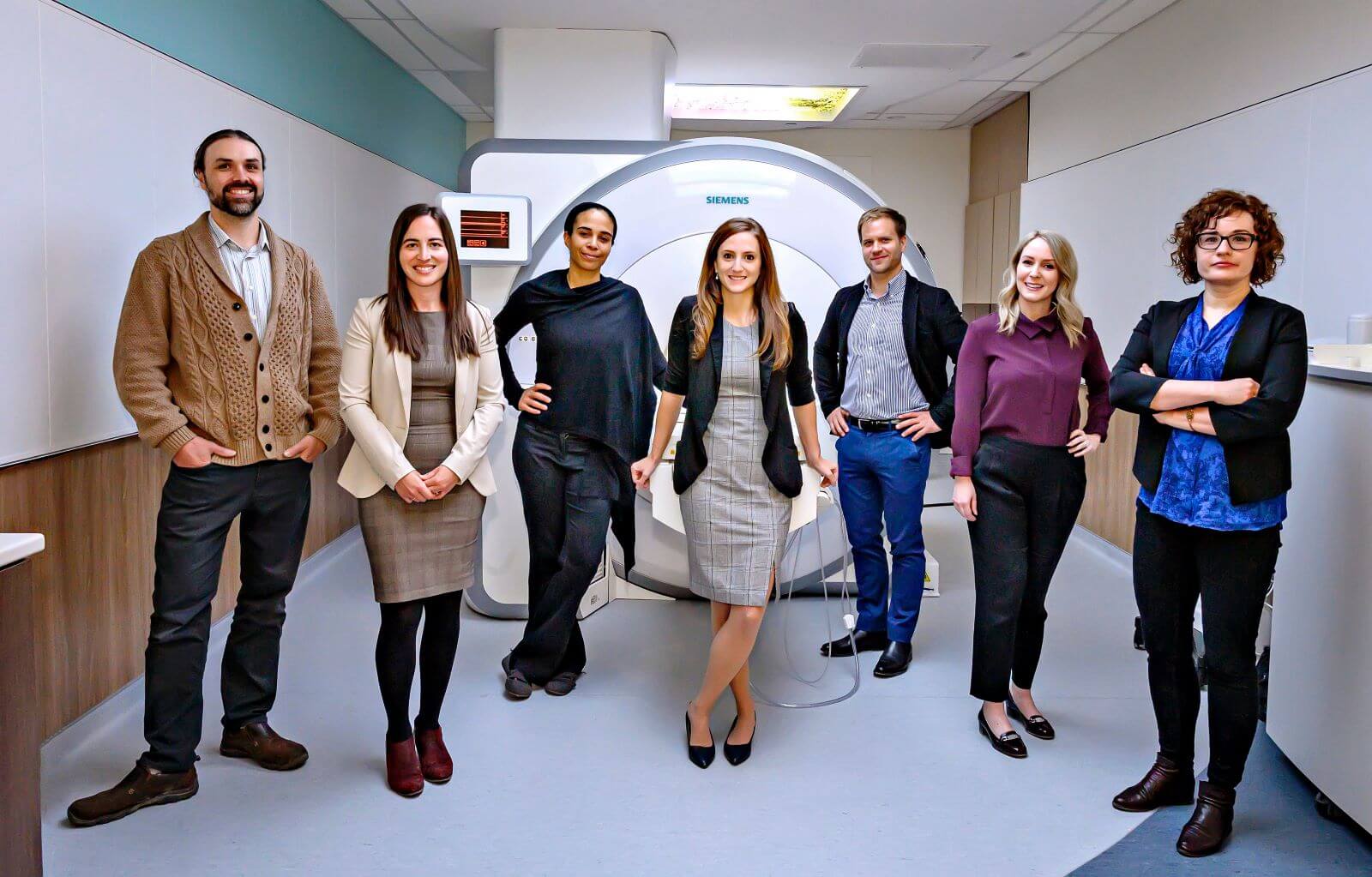
Waverley House Foundation's relationship with The Royal spans more than a decade, beginning with support to establish a Brain Imaging Centre. Our commitment has since grown into a $21-million partnership dedicated to advancing mental health research and translating it directly into care for people living with mental illness and addiction.
Our $6-million gift in 2016 launched the Emerging Research Innovators in Mental Health (eRIMh) Program — an incubator designed to attract and support early-career scientists through salaries, research funding, academic appointments, and access to state-of-the-art facilities.
Our new $15-million commitment in 2025 serves as the lead gift for The Royal's Lives Reclaimed campaign — the largest fundraising campaign in the institution's history. This gift supports The Royal's Research is Care vision, funding the Waverley House Accelerator for Mental Illness and Addiction Research and five Clinical Research Chairs in areas that may include mood and anxiety, addiction, youth transitioning to adult care, geriatric mental health, and schizophrenia.
The eRIMh program delivered extraordinary results. Seven young scientists received support over six years, generating $37.8 million in external funding, 177 peer-reviewed journal articles, 203 conference presentations, and the supervision of 138 trainees. Advancements in brain imaging, brain stimulation, cognitive health for schizophrenia, and sleep monitoring technologies are already transforming care for patients today.
The new investment builds on this foundation, recruiting exceptional research leaders and accelerating the translation of scientific discovery into improved access and outcomes for people living with mental illness and addiction.
2020-Present
The Chief Mungo Martin Chair in Indigenous Mental Health at the University of Victoria focuses on strengthening research in Indigenous mental health; teaching and mentoring students; and engaging with Indigenous communities. The Chair is named after Chief Mungo Martin, a renowned Kwakwaka’wakw artist and cultural leader in Pacific Northwest Coast and contemporary Indigenous art. Chief Martin played a crucial role in preserving and promoting his culture, gaining fame for holding the first public potlatch since the government potlatch ban of 1885. He was later awarded with a medal by the Canadian Council.
The $1.5 million research Chair gift was given in 2022, with the aim of creating knowledge consistent with Indigenous values and reinforcing and advancing those values for the benefit of all Canadians.
The inaugural Chief Mungo Martin Chair is held by Anishinaabe scholar Dr. Emily A.P. Haigh (Thessalon First Nation & Sault Ste. Marie Métis), a clinical psychologist and associate professor in the department of psychology at the University of Victoria. By building and maintaining productive and respectful partnerships with Indigenous students, scholars, and communities, Dr. Haigh’s research seeks to center culturally relevant knowledge and understanding of Indigenous approaches to the study of mental health and well-being.